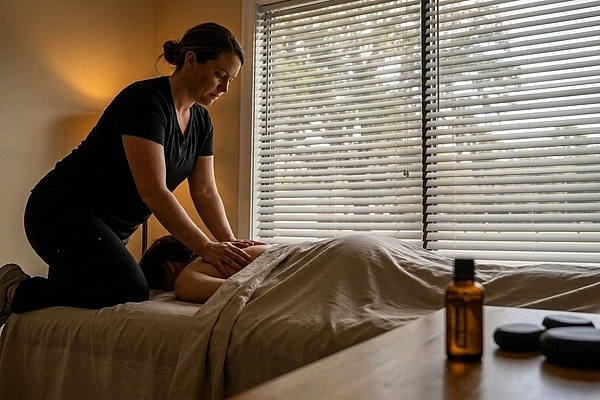


Is Deep Tissue Massage in Aiken Good for Muscle Recovery?
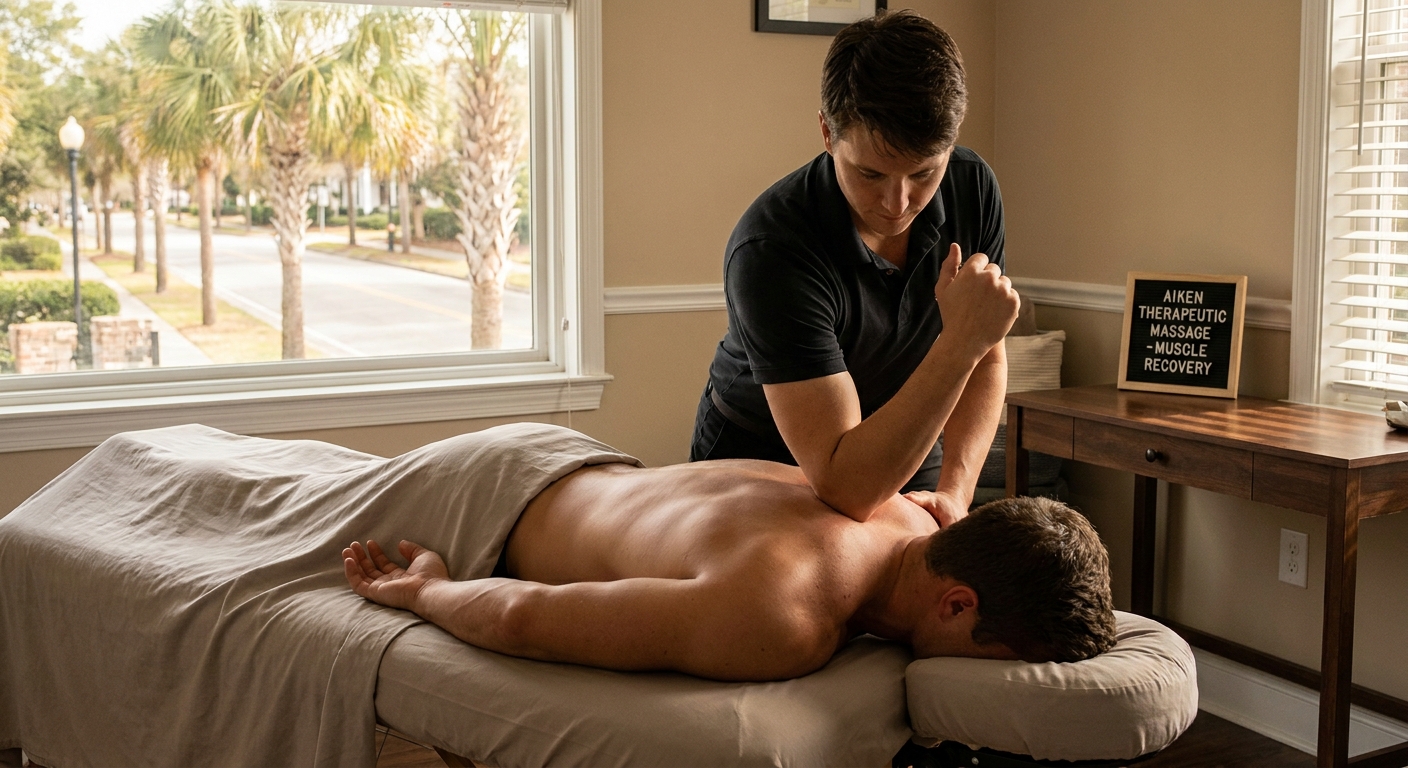
Most people treat massage like a luxury. Something you get on vacation or as a birthday treat. But serious athletes know better — and if you're ignoring deep tissue work after training, you're leaving recovery on the table. Muscle repair doesn't happen just because you stretched or foam-rolled. It happens when circulation improves, inflammation drops, and tension actually releases. That's where deep tissue massage in Aiken comes in.
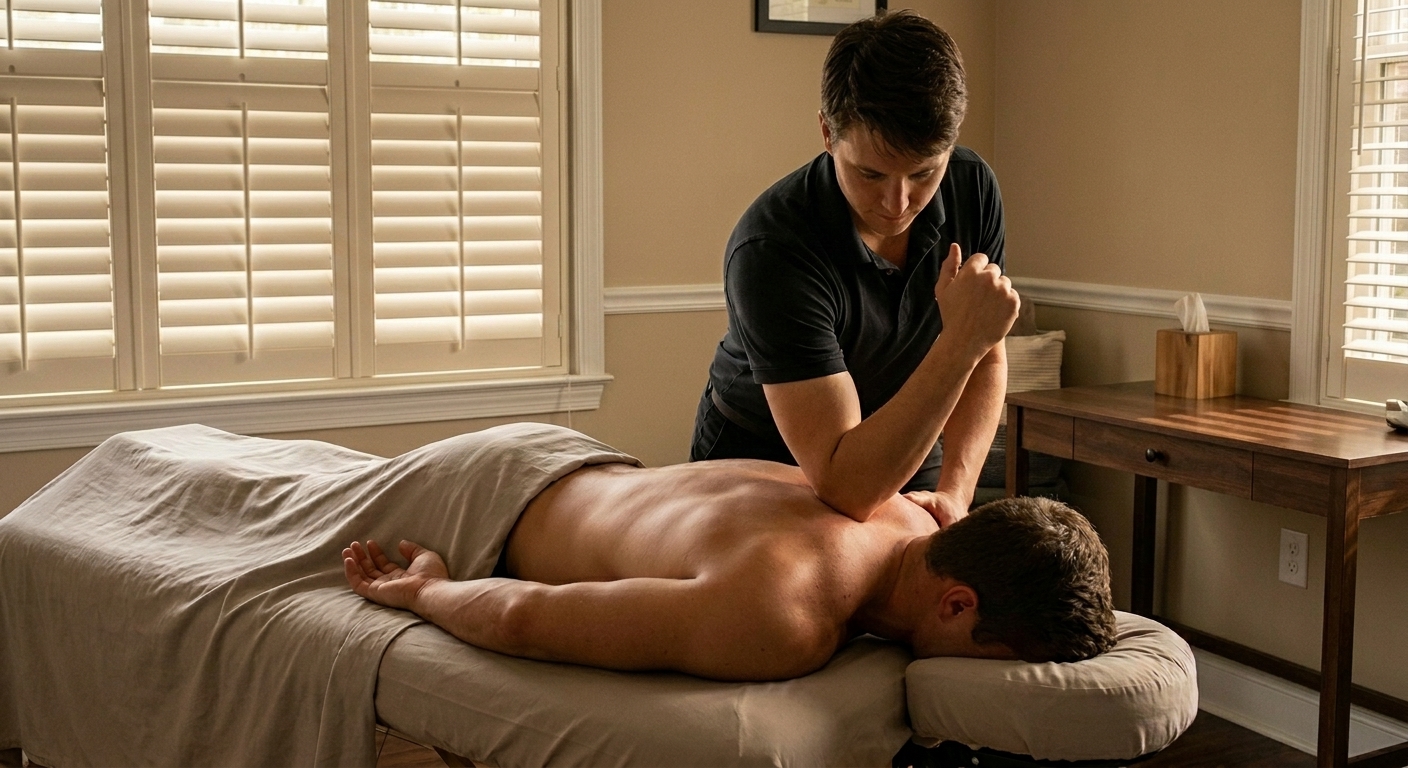
So here's what matters. If you're pushing your body hard enough to need recovery, you need more than a surface-level rubdown. Every session should target real damage. Every stroke should address the layers where knots and adhesions build up. And every recovery plan should be rooted in what your muscles actually need — not just what feels relaxing in the moment.
Pressure That Goes Beyond the Surface
Most massage styles work the top layer. They feel nice, they're soothing, but they don't reach the problem. Deep tissue is different. It targets the fascia, the connective tissue, and the deeper muscle fibers where tension hides. That's where real damage shows up after hard workouts or old injuries that never fully healed.
Therapists in Aiken who specialize in this method understand anatomy. They know how to apply sustained pressure without causing harm. And they know the difference between productive discomfort and actual pain. If you've been dealing with chronic tightness or recurring soreness, this is the kind of work that gets results — not just temporary relief.
Why Muscles Stay Tight After Training
When you train hard, microscopic tears form in muscle fibers. That's normal. That's how you build strength. But the inflammatory response that follows can leave you stiff, swollen, and sore for days. Blood flow slows in those tight spots. Waste products sit in the tissue. And without intervention, recovery drags on longer than it should.
Deep tissue massage interrupts that cycle. It brings fresh blood to damaged areas, flushes out metabolic waste, and breaks up the adhesions that form during the healing process. The result? Less soreness, faster bounce-back, and fewer nagging injuries that stick around for weeks.
What Recovery Actually Gets From Deep Work
We've seen athletes cut their downtime in half when they add consistent bodywork to their routine. Here's what deep tissue delivers when it's done right:
- Soreness drops faster because circulation improves and inflammation clears out sooner
- Flexibility increases as tight fascia and muscle fibers lengthen under targeted pressure
- Range of motion improves, which means fewer compensations and better movement patterns
- Scar tissue from old injuries breaks down, restoring function that's been limited for months or years
- Sleep quality improves when chronic tension finally releases and stress hormones settle
What Happens During a Real Session
Walk into a deep tissue session expecting conversation first. A good therapist will ask about your training, your injury history, and where you're feeling the most limitation. They'll assess your movement and identify areas that need the most attention. This isn't a one-size-fits-all treatment.
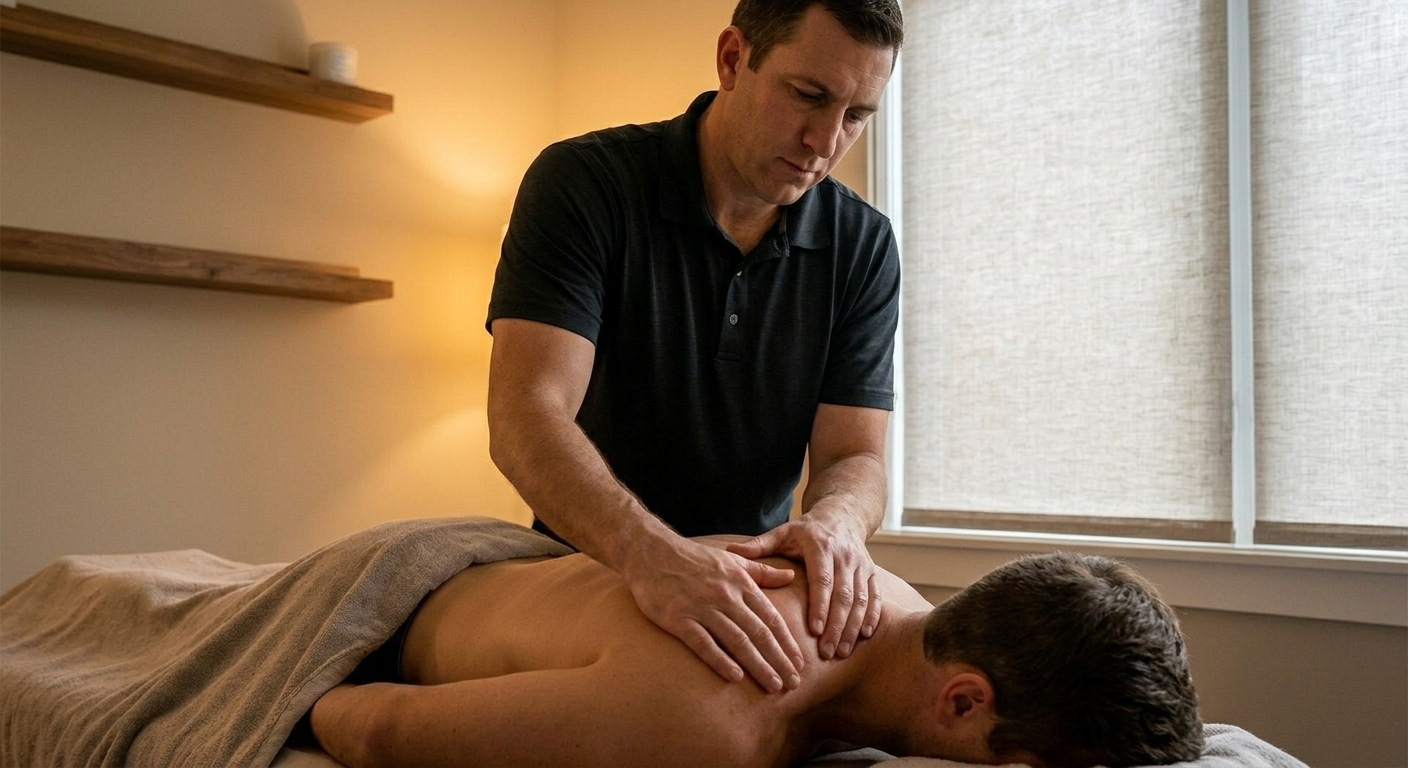
Once you're on the table, expect firm pressure. You'll feel the therapist working through layers, sometimes holding a point for several seconds to get the tissue to release. It might be uncomfortable — but it shouldn't be unbearable. If it is, speak up. Communication keeps the session productive. Afterward, you might feel sore for a day or two, like you just trained that muscle group. That's normal. That's the tissue responding.
Not Everyone Should Go Deep
Deep tissue isn't a free pass for everyone. If you've got clotting issues, recent surgeries, or bone conditions like severe osteoporosis, this kind of pressure can do more harm than good. Same goes if you're dealing with acute inflammation or open wounds. Always check with your doctor first if you're not sure.
For healthy individuals who train regularly, though? Deep tissue is one of the most effective tools you can use. It's not about pampering. It's about performance. And if you're serious about recovery, you'll treat it like any other part of your training plan.
How Often You Should Be Getting Work Done
Frequency depends on how hard you're pushing your body. Competitive athletes might benefit from weekly sessions. Weekend warriors can get by with biweekly or monthly maintenance. The key is consistency. One session won't undo months of tightness, but regular work compounds over time.
Here's what different training levels typically need:
- High-volume athletes training six days a week should consider weekly deep tissue to stay ahead of overuse injuries
- Moderate training schedules benefit from sessions every two to three weeks, especially during heavy training blocks
- Recreational fitness enthusiasts can maintain mobility and prevent buildup with monthly sessions
- Post-injury recovery might require more frequent work initially, then taper as function improves
- Off-season or lower-intensity periods still benefit from occasional maintenance to address imbalances before they become problems
Where Most People Get It Wrong
Waiting until you're already injured is the biggest mistake we see. Deep tissue isn't emergency medicine. It's preventive. If you're only booking a session when you can barely walk, you've already lost training time. The smart play is staying ahead of the damage.
Another misstep? Expecting instant fixes. One session helps, but chronic tension didn't develop overnight. Neither does lasting mobility. You need a plan that builds on itself. And you need to combine bodywork with proper hydration, stretching, and smart programming. Massage therapy in Aiken alone won't save bad training habits.
Finding the Right Therapist in Aiken
Not all massage therapists are trained in deep tissue work. Look for someone with certifications in sports massage or therapeutic bodywork. Ask about their experience with athletes or active clients. A therapist who understands training stress will give you better results than someone who only works on spa clients.
Check reviews, but also trust your own experience. If the therapist listens, adjusts pressure based on your feedback, and focuses on problem areas instead of just running through a script, you're in good hands. If they don't ask questions or ignore your input, move on. You can learn more about licensed massage therapists and their qualifications before scheduling.
What to Do Between Sessions
Bodywork is part of the equation, but it's not the whole solution. Between sessions, you need to support the progress you're making. That means staying hydrated so your tissues can flush waste. It means foam rolling or using a lacrosse ball on trigger points. And it means not immediately hammering the same muscles that just got worked on.
Here's how to maintain the benefits:
- Drink extra water for 24 hours after a session to help your lymphatic system clear out metabolic waste
- Avoid intense training on freshly worked muscles for at least a day to let the tissue settle
- Use light stretching or yoga to maintain the new range of motion you gained
- Apply heat or ice as needed if soreness lingers longer than expected
- Track how your body responds over time so you and your therapist can adjust frequency and focus areas
When to Add Other Modalities
Deep tissue is powerful, but it's not the only tool. Some athletes benefit from combining it with cupping, scraping, or active release techniques. Others need more focus on stretching or joint mobilization. The right mix depends on your specific limitations and goals.
Talk to your therapist about what else might help. If you're dealing with stubborn scar tissue, cupping might speed things up. If you've got nerve pain or numbness, a different approach might be needed. The best recovery plans are flexible and responsive to what your body actually needs — not just what's trendy. Consider exploring spa services that complement deep tissue work.
Recovery Doesn't Happen By Accident
Taking on serious training means taking recovery just as seriously. Deep tissue massage gives you a proven method to speed healing, reduce soreness, and keep your body moving the way it should. But only if you treat it like part of the process — not an afterthought when something finally breaks down.
We work with athletes who understand that performance doesn't come from training alone. It comes from smart recovery, consistent maintenance, and knowing when to get professional help. If you're ready to stop ignoring the tension and start addressing it, find a qualified therapist and make it a regular part of your routine. Your muscles will respond, your performance will improve, and your body will hold up longer under the demands you're putting on it.
Ready to Take Your Recovery Seriously?
We know how important it is to keep your body performing at its best, whether you're training for competition or just want to move pain-free. Let’s work together to create a recovery plan that actually supports your goals. If you’re ready to experience the difference deep tissue massage can make, book a spa session today to get started on your path to better muscle health.
‹ Back
Recent Posts
-

Are Natural Pet Supplements in Aiken a Good Choice for Senior Pets?
October 16, 2026
-

Is a Swedish Massage in Aiken a Good Choice After a Busy Week?
October 2, 2026
-

October 2026 Newsletter
October 1, 2026
-

Could Natural Supplements in Aiken Support Better Digestive Health?
September 18, 2026
-