



Can Deep Tissue Massage in Aiken Help Release Ongoing Muscle Tension?
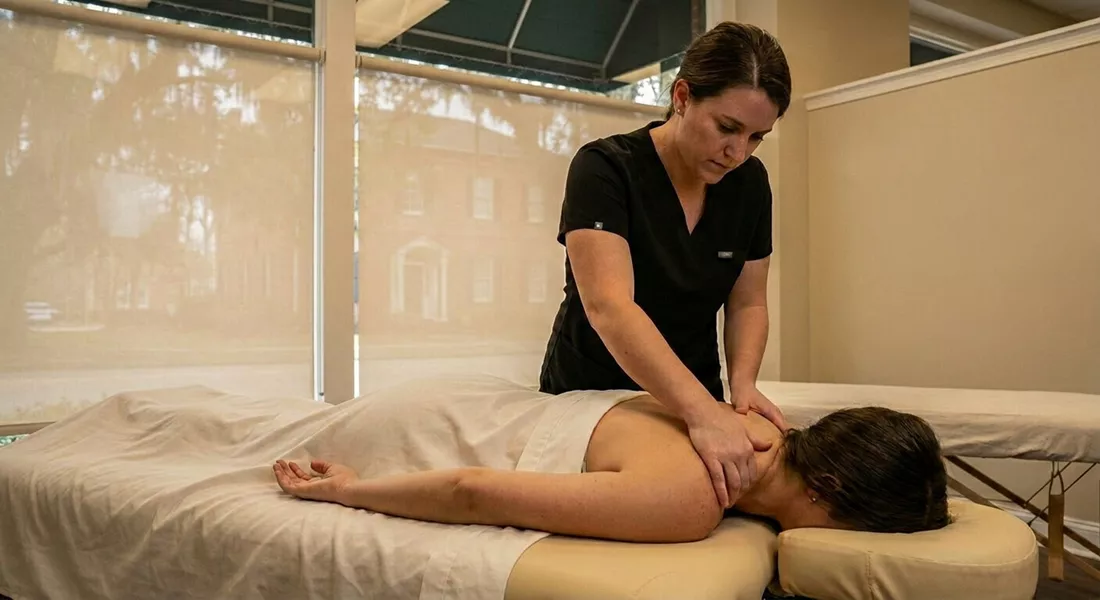
Most people think muscle tension is just about stress or a bad workout. Tight shoulders, stiff neck, maybe a knot in your back. But chronic tension runs deeper than that — and if you're not addressing the root cause, you're just managing symptoms. Deep tissue massage isn't a spa day. It's a targeted intervention that reaches the layers most surface-level treatments never touch. And in Aiken, where active lifestyles and desk jobs collide, it's becoming a go-to for people who've tried everything else.
So here's what matters. If you're dealing with tension that won't quit, you need more than a light rubdown. You need pressure that breaks up adhesions, restores blood flow, and resets muscle function. But not every therapist knows how to deliver that without causing more harm than good. And not every body responds the same way.
Tension That Builds Over Time
Muscle tightness doesn't just appear overnight. It accumulates. Poor posture at your desk, repetitive motions at work, old injuries that never fully healed — all of it layers up. Your muscles compensate, then overcompensate, until you're walking around with a body that feels locked in place. That's not just discomfort. That's your musculoskeletal system telling you something's off.
And when tension becomes chronic, it affects more than just the muscle itself. Joint mobility suffers. Circulation slows. Inflammation creeps in. You start moving differently to avoid pain, which creates new imbalances. It's a cycle that feeds itself unless you intervene with something that actually reaches the problem.
What Makes Deep Tissue Different
Deep tissue massage isn't about relaxation. It's about access. While lighter techniques work on the surface, deep tissue goes after the fascia, the connective tissue, and the muscle fibers that sit beneath the top layer. Therapists use slow, deliberate strokes with sustained pressure — fingers, thumbs, elbows, sometimes forearms — to physically break down the knots and adhesions that restrict movement.
This isn't guesswork. A trained therapist can feel where the tension lives and apply the right amount of force to release it without tearing tissue or causing injury. The goal is to restore normal function, not just make you feel better for an hour. And when it's done right, the results can last weeks or longer.
How Pressure Unlocks What's Stuck
When a therapist applies sustained pressure to a tight area, several things happen at once. Blood flow increases, bringing oxygen and nutrients to starved tissue. Adhesions — those stubborn knots formed by scar tissue or chronic contraction — start to break apart. Muscle fibers that were stuck together begin to separate and lengthen. Inflammation decreases. Range of motion improves.
It's not magic. It's mechanics. Your body responds to the stimulus by releasing what it's been holding onto. And because deep tissue work targets the deeper layers, the effects tend to be more lasting than what you'd get from a standard massage. But it does require follow-through. One session can help. A series of sessions can reset your baseline.
What Deep Tissue Actually Does for You
- Breaks down chronic knots and adhesions that lighter pressure can't reach
- Restores flexibility and range of motion in areas that feel locked up
- Reduces pain from conditions like sciatica, fibromyalgia, or old injuries
- Improves circulation and oxygen delivery to tight, inflamed tissue
- Speeds recovery for athletes or anyone dealing with repetitive strain
What a Session Actually Feels Like
Let's be clear. Deep tissue massage isn't always comfortable. You'll feel pressure — sometimes intense pressure — especially in areas where tension has built up over months or years. A good therapist will check in with you throughout the session to make sure the discomfort stays on the right side of productive. If it crosses into pain, that's a signal to ease up.
After the session, you might feel sore. That's normal. Your muscles just went through a workout of sorts. Drink water, move gently, and give your body time to process the work. Most people feel significantly better within a day or two, with improved mobility and less tightness. But if soreness lingers or worsens, that's worth mentioning to your therapist.
Who Should Skip It
Deep tissue massage isn't for everyone. If you have a blood clotting disorder, recent surgery, severe osteoporosis, or certain cardiovascular conditions, this type of work could do more harm than good. Pregnant women should seek out prenatal specialists instead. And if you're dealing with acute inflammation or a fresh injury, you'll want to wait until the initial healing phase passes.
When in doubt, talk to your doctor first. A qualified therapist will also screen you before starting and adjust their approach based on your health history. This isn't a one-size-fits-all treatment, and the best practitioners know when to refer you elsewhere.
Finding Someone Who Knows What They're Doing
Not every massage therapist is trained in deep tissue work. And not every therapist who offers it has the skill to do it safely and effectively. In Aiken, you'll want to look for licensed massage therapists with specific training in therapeutic and deep tissue techniques. Check reviews. Ask about their experience with chronic tension or sports injuries. Don't be afraid to interview them before booking.
A good therapist will ask questions about your symptoms, your history, and what you've already tried. They'll explain their approach and set realistic expectations. And they'll adjust pressure based on your feedback, not their assumptions. If someone dismisses your concerns or pushes too hard without checking in, walk away.
Why Consistency Matters More Than Intensity
One session can provide relief. But if you're dealing with chronic tension, you'll likely need more than that. Regular sessions — whether weekly, biweekly, or monthly — help maintain the progress you make and prevent tension from building back up. Think of it like physical therapy. The work compounds over time.
And between sessions, you'll want to support the process. Stretch regularly. Stay hydrated. Pay attention to posture and movement patterns. Deep tissue massage is a tool, not a cure-all. But when combined with smart habits, it can be the thing that finally breaks the cycle.
When to Bring in a Professional
- You've tried stretching, foam rolling, and rest, but tension keeps coming back
- Your range of motion is limited, and it's affecting daily activities
- You're dealing with pain that radiates or refers to other areas
- Old injuries still feel tight or restricted, even years later
- You're an athlete or active individual looking to prevent future issues
What Happens When You Ignore It
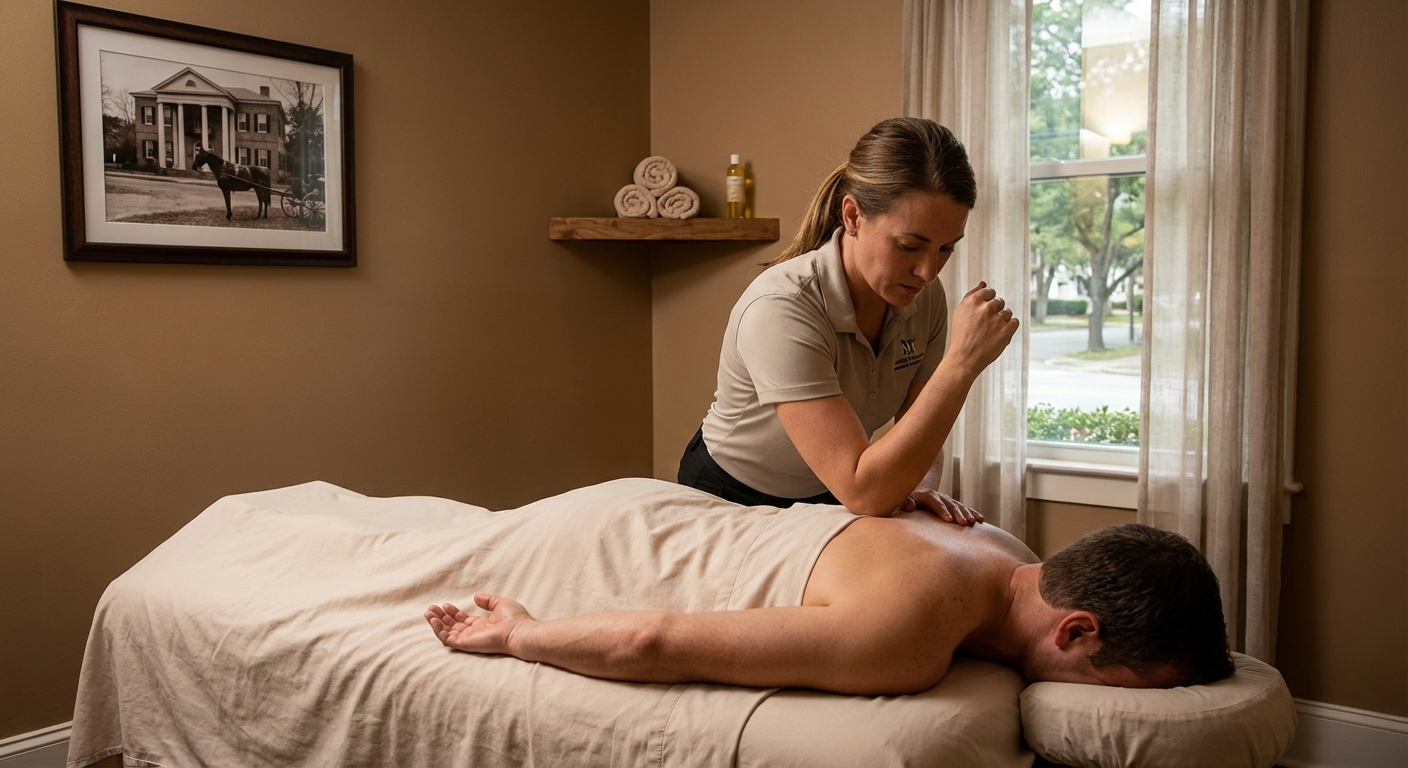
Chronic muscle tension doesn't just go away on its own. Left unchecked, it leads to compensation patterns, joint dysfunction, and eventually, more serious injuries. You start moving differently to avoid pain, which creates new problems. Your posture shifts. Your gait changes. And before long, you're dealing with issues in areas that didn't hurt before.
Deep tissue massage interrupts that progression. It gives your body a chance to reset before the damage becomes structural. And for people in Aiken who are active, work physically demanding jobs, or spend hours at a desk, that reset can be the difference between staying functional and dealing with chronic pain down the line.
Realistic Expectations
- Relief may be immediate, but lasting change takes multiple sessions
- Soreness after treatment is normal and usually resolves within 48 hours
- Communication with your therapist is critical for safe, effective work
- Results depend on consistency, not just the intensity of a single session
- Deep tissue is part of a larger strategy that includes movement, hydration, and self-care
Why Aiken Residents Are Turning to This
Aiken's mix of outdoor enthusiasts, equestrians, golfers, and professionals creates a population that's hard on their bodies. Whether it's hours in the saddle, repetitive swings, or long days hunched over a computer, the result is the same — chronic tension that doesn't respond to rest alone. Deep tissue massage offers a way to address that tension at its source, without medication or invasive procedures.
And because Aiken has a growing number of skilled therapists who specialize in this work, access is easier than ever. You don't have to live with tightness that limits your life. You just have to be willing to do something about it.
Making the Call
Chronic muscle tension isn't something you have to accept. Deep tissue massage in Aiken provides a proven, hands-on approach to releasing what's stuck and restoring normal function. But it requires the right therapist, realistic expectations, and a commitment to follow-through. If you've been dealing with tightness that won't quit, this might be the intervention that finally makes a difference. Just make sure you're working with someone who knows what they're doing — and who listens when you tell them what your body needs. For more information about therapeutic massage services and to schedule a consultation with experienced professionals, reach out today.
Ready to Move Freely Again?
We know how frustrating it is to feel held back by muscle tension that just won’t let go. Let’s work together to restore your comfort and mobility so you can get back to doing what you love. If you’re ready to take the next step, schedule an appointment with one of our massage specialists.
- Lori Alvanos, LMT #12747 | 803-640-4301
- Nick Chipman, LMT #7918 | 803-270-8533
- Steve Timmerman, LMT #1946 | 803-599-2225
‹ Back
Recent Posts
-

September 2026 Newsletter
September 2, 2026
-

-

How Curbside Pickup in Aiken Simplifies Wellness Shopping
August 7, 2026
-

-

Do Natural Supplements in Aiken Help with Low Energy?
July 10, 2026