


Is Chronic Stress in Aiken Ruining Your Sleep?

Most people think stress is just part of the deal. Work piles up, bills come due, life gets messy. But your body doesn't see it that way — and if you're not paying attention, you're setting yourself up for sleepless nights that compound into something worse. Stress doesn't just live in your head. It rewires your nervous system, floods your bloodstream with cortisol, and keeps your brain firing long after the lights go out.
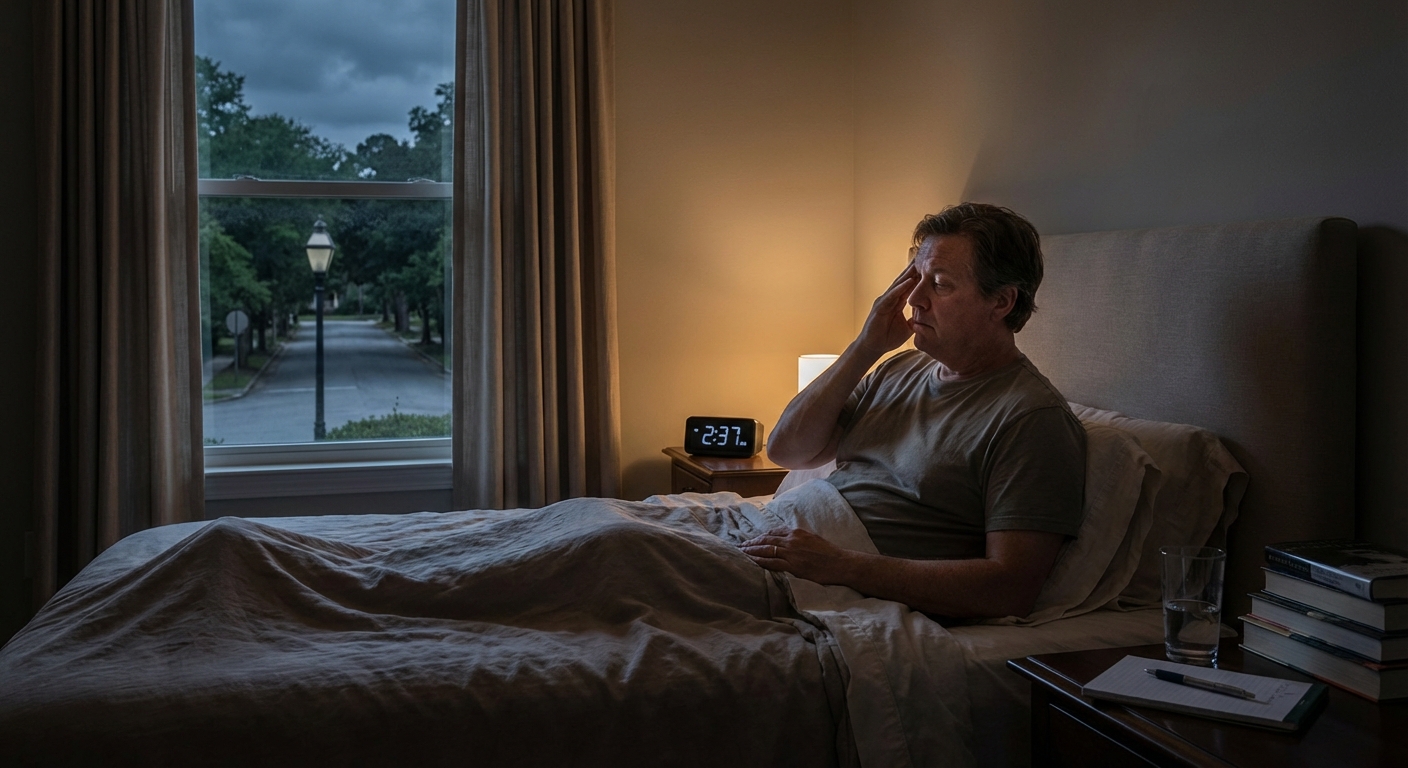
So here's what matters. If you're lying awake at 2 a.m. replaying conversations or running through tomorrow's to-do list, that's not bad luck. That's chronic stress doing exactly what it's designed to do — keep you alert when you should be resting. And the longer it goes on, the harder it gets to break the pattern.
Your Body Wasn't Built for This
Stress responses evolved to handle short bursts of danger. A threat appears, your system kicks into gear, you react, and then you recover. That's how it's supposed to work. But when the pressure never lets up — deadlines, family tension, financial uncertainty — your body stays locked in fight-or-flight mode. Cortisol and adrenaline keep circulating, your heart rate stays elevated, and your brain refuses to power down.
In Aiken, life might look calm from the outside. Tree-lined streets, slower pace, tight community. But stress doesn't care about zip codes. It shows up in every corner of life, and it hits hardest when you're trying to rest. The same hormones that help you survive a crisis become the reason you can't fall asleep — or stay asleep — when you need it most. Many residents seeking relief turn to professional wellness services in Augusta and surrounding areas.
What Happens When Sleep Falls Apart
Sleep isn't optional maintenance. It's when your body repairs tissue, consolidates memory, regulates mood, and resets your immune system. Cut that short, and everything else starts to fray. You wake up groggy, snap at people you care about, lose focus at work, and feel like you're dragging through the day.
Chronic stress doesn't just delay sleep — it degrades it. You might fall asleep eventually, but you wake up every hour. Or you crash hard and then jolt awake at 4 a.m. with your mind racing. Either way, you're not getting the deep, restorative cycles your body needs. And the worse your sleep gets, the harder it is to manage stress the next day. It's a feedback loop that tightens with every bad night.
The Red Flags You're Already Seeing
- Lying in bed wide awake despite exhaustion
- Waking up multiple times without clear reason
- Popping awake before dawn and unable to drift back
- Feeling wired or anxious the moment you try to relax
- Dragging through the day with brain fog and irritability
If any of this sounds familiar, you're not imagining it. And you're not alone. Plenty of people in Aiken and beyond are fighting the same battle every night.
Breaking the Pattern Takes Intention
You can't just wish stress away. But you can build habits that interrupt the cycle and give your nervous system a chance to settle. It takes consistency, not perfection. Small changes add up faster than you think.
Start by creating a wind-down routine that signals to your brain it's time to shift gears. That might mean dimming the lights an hour before bed, putting your phone in another room, or spending ten minutes stretching or journaling. The specifics matter less than the repetition. Your body learns what comes next. Spa services designed for relaxation can help establish these calming routines.
Tools That Actually Work
- Deep breathing exercises that activate your parasympathetic nervous system
- Progressive muscle relaxation to release physical tension
- Guided meditation apps designed for sleep and stress relief
- White noise machines or blackout curtains to control your environment
- Limiting caffeine after noon and alcohol close to bedtime
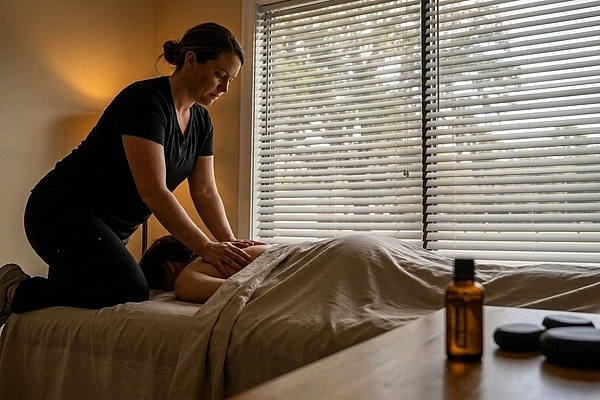
None of this is magic. It's just giving your body the conditions it needs to do what it's built to do. And it works — if you stick with it. Licensed massage therapists can provide additional support for releasing physical tension that interferes with sleep.
Your Bedroom Should Be a Fortress
If your sleep space doubles as your office, entertainment center, or storage unit, you're making it harder on yourself. Your brain associates environments with activities. If you're answering emails in bed or scrolling through news feeds under the covers, you're training your mind to stay alert in the one place it should be shutting down.
Keep the room cool, dark, and quiet. Invest in a mattress and pillows that actually support you. Remove the TV, the laptop, the clutter. Make it a place where the only thing that happens is rest is rest. It sounds simple because it is — but most people skip it.
When the Stressor Has a Name
- Job pressure that doesn't ease up
- Relationship conflict that keeps resurfacing
- Financial strain with no clear path forward
- Health concerns that linger without resolution
- Caregiving responsibilities that drain your reserves
If you can identify what's driving the stress, you can start addressing it directly. That might mean setting boundaries at work, having a hard conversation at home, or reaching out to a counselor who can help you process what's weighing on you. Ignoring the root cause won't make it go away — it just guarantees it'll keep you up at night.
Consistency Beats Motivation Every Time
Going to bed and waking up at the same time every day — yes, even weekends — trains your circadian rhythm. Your body starts to anticipate sleep and wake cycles, which makes falling asleep easier and waking up less brutal. It's not exciting. It's not flexible. But it works better than anything else you'll try.
Skip the late-night Netflix binges and the Sunday sleep-ins. Your internal clock doesn't care about your plans. It cares about patterns. Give it one, and it'll reward you with better sleep over time.
When to Stop Going It Alone
If you've been fighting this for months and nothing's improving, it's time to bring in a professional. Chronic insomnia isn't just inconvenient — it's a risk factor for depression, anxiety, heart disease, and a dozen other conditions you don't want to mess with. A doctor or sleep specialist can run tests, rule out underlying issues, and recommend treatments that go beyond generic advice. Experienced wellness staff can work with you to develop personalized approaches to stress management.
Don't wait until you're completely burned out. The earlier you intervene, the faster you can get back to sleeping like a functional human being.
Sleep Isn't a Luxury You Earn
Stress in Aiken might look different than stress in a major city, but the biology is the same. Your body needs rest to function, and chronic stress is actively sabotaging that. The good news? You don't have to accept sleepless nights as your new normal. With the right habits, environment, and support, you can reclaim the rest you've been missing — and start showing up for your life with the energy it deserves. Explore service areas to find professional support near you, or visit Herbal Solutions & Spa to learn more about holistic approaches to stress relief and better sleep.
Let’s Take the Next Step Toward Better Sleep
We all deserve restful nights and brighter days, and it starts with addressing the stress that’s keeping us up. If you’re ready to break the cycle and finally get the sleep you need, let’s work together to find solutions that fit your life. Call us at 803-649-9286 or contact us today to start your journey toward real relief.
‹ Back
Recent Posts
-

Are Natural Pet Supplements in Aiken a Good Choice for Senior Pets?
October 16, 2026
-

Is a Swedish Massage in Aiken a Good Choice After a Busy Week?
October 2, 2026
-

October 2026 Newsletter
October 1, 2026
-

Could Natural Supplements in Aiken Support Better Digestive Health?
September 18, 2026
-