



Are Natural Pet Supplements in Aiken a Good Choice for Senior Pets?
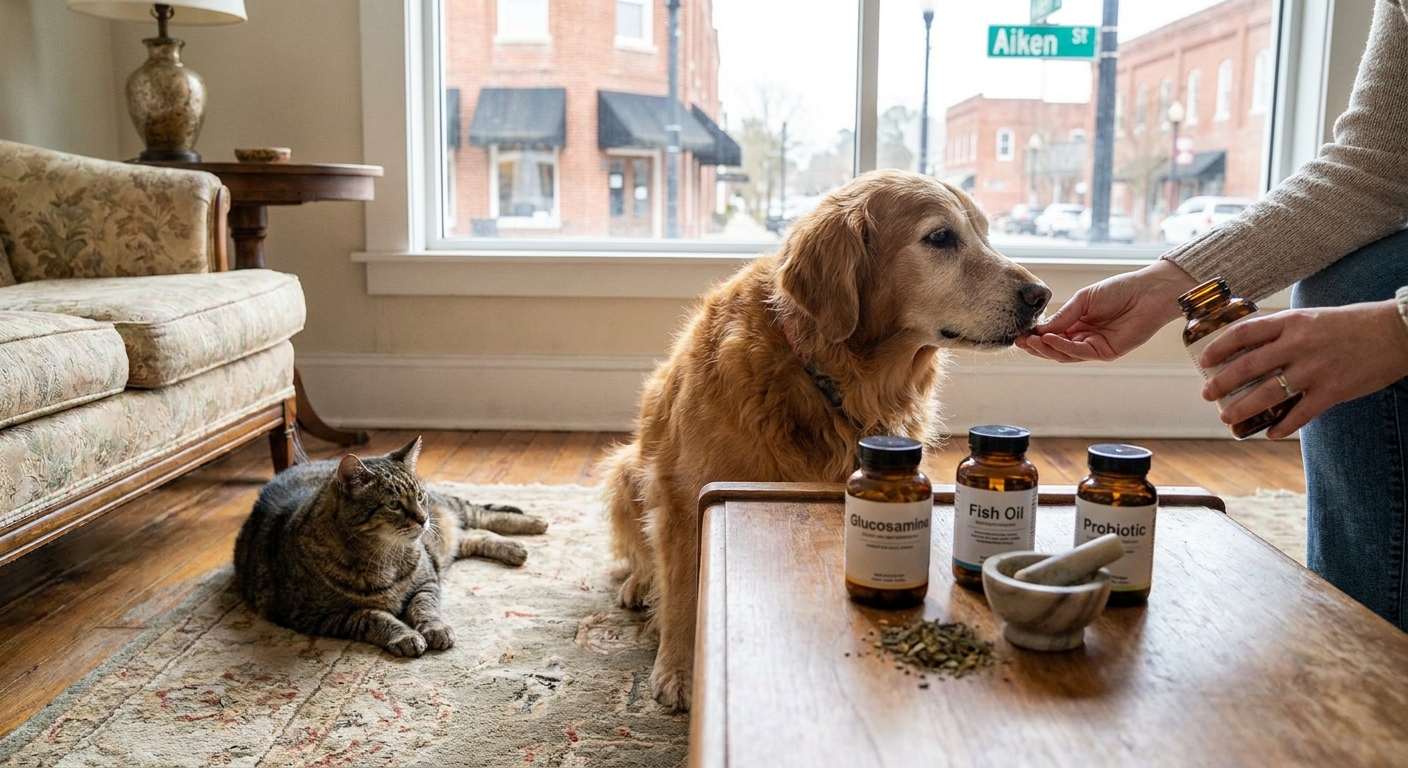
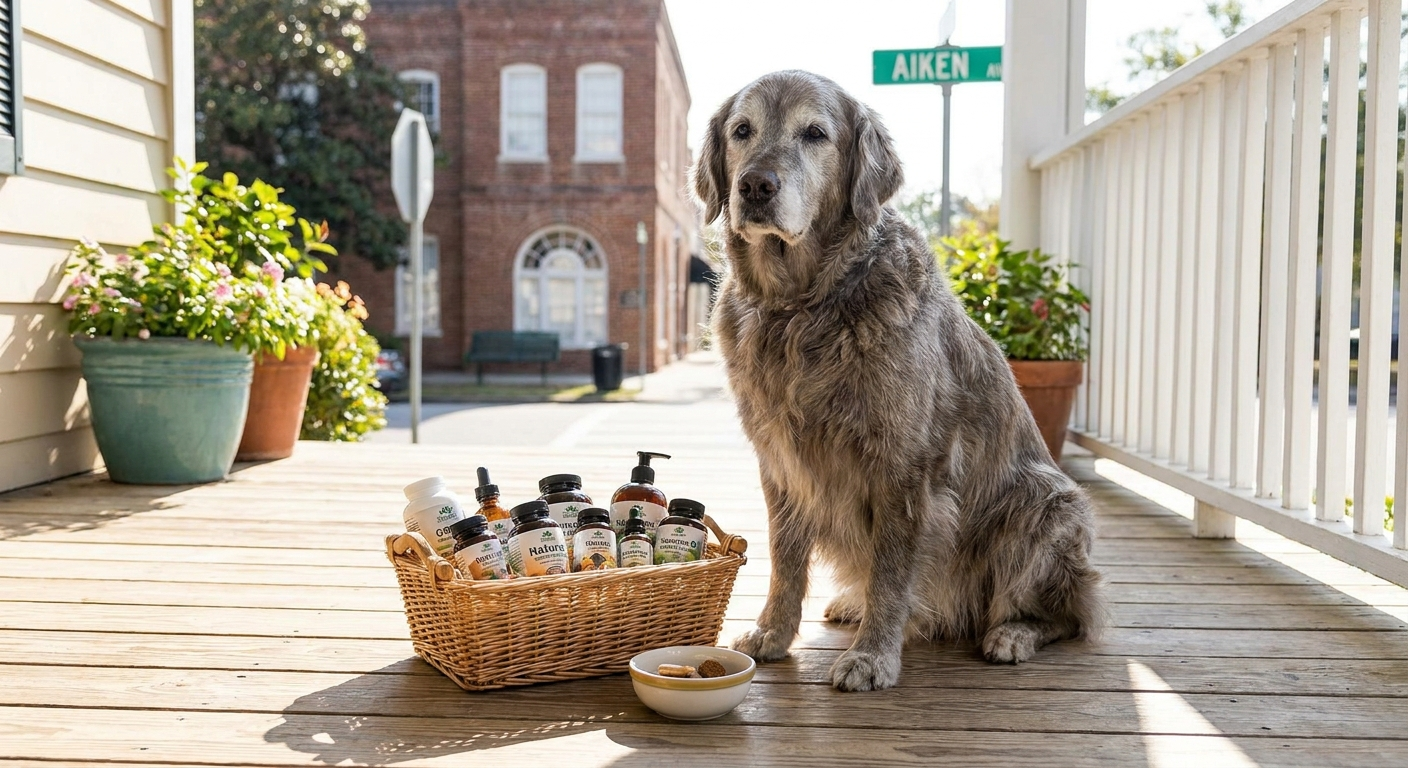
Most pet owners think aging is just about slowing down. Gray muzzles, stiff joints, longer naps. But what shows up on the outside is only part of the picture — and if you're not addressing what's happening inside, you're leaving your senior pet vulnerable. Natural supplements won't reverse time, but they can support the body systems that matter most when age starts taking its toll.
So here's what we know. If you're adding supplements to help your older dog or cat stay mobile, sharp, and comfortable, that's smart. Just don't treat every bottle like a miracle cure. Every ingredient should have a purpose. Every product needs backing. And every decision should be grounded in what your pet actually needs — not just what the label promises.
Aging Hits More Than Just the Joints
Senior pets don't just move slower. Their immune systems weaken. Digestion becomes less efficient. Cognitive function can fade. Inflammation creeps in where it didn't before. These shifts aren't cosmetic — they're metabolic, structural, and systemic.
But here's the thing. Not every aging pet shows the same signs. One dog might struggle with arthritis while another battles digestive upset. A cat might lose mental sharpness but still leap onto counters. That's why we can't rely on one-size-fits-all solutions. Supplements work best when they're matched to the specific wear and tear your pet is facing.
What Makes a Supplement Natural
Natural doesn't mean unregulated. It means the active ingredients come from whole-food sources, herbs, or minerals instead of synthetic labs. Think glucosamine from shellfish, omega-3s from fish oil, probiotics from fermented cultures. These compounds exist in nature — and when extracted properly, they can support biological functions without harsh side effects.
In Aiken, you'll find plenty of options marketed as natural. Some are clean and effective. Others are overpriced filler with vague sourcing. The difference comes down to transparency, third-party testing, and whether the brand can back up its claims with research or at least consistent results.
Where Supplements Actually Help
- Mobility and cartilage support: Glucosamine, chondroitin, and MSM help cushion joints and reduce inflammation in dogs and cats dealing with arthritis or hip dysplasia.
- Brain function and mental clarity: Omega-3 fatty acids and antioxidants like vitamin E can slow cognitive decline and support neuron health.
- Gut health and nutrient absorption: Probiotics and digestive enzymes help aging digestive systems break down food more effectively and maintain healthy gut flora.
- Immune resilience: Antioxidants such as vitamin C, selenium, and herbal blends can strengthen an older pet's ability to fight off infection or recover from illness.
- Skin, coat, and inflammation control: Omega-6 and omega-3 fatty acids reduce itching, improve coat quality, and calm systemic inflammation.
Not Every Supplement Is Safe for Every Pet
Natural doesn't mean harmless. Some herbs interact with medications. Some minerals can accumulate to toxic levels. Some formulas aren't appropriate for pets with kidney disease, liver issues, or certain allergies. This is especially true for senior animals already on prescriptions or managing chronic conditions.
That's why guessing is dangerous. Before adding anything new to your pet's regimen, loop in your vet. They'll know what's safe, what might conflict, and what's actually worth the money. If your vet dismisses supplements entirely without discussion, consider getting a second opinion from someone trained in alternative medicine.
How to Pick Products That Actually Work
- Look for third-party testing: Reputable brands submit their products for independent lab analysis to confirm purity and potency.
- Check the ingredient list: Avoid fillers, artificial flavors, and vague terms like "proprietary blend" that hide what's actually inside.
- Match the supplement to the symptom: Don't buy a joint formula if your pet's issue is digestion. Target the system that needs support.
- Start with single-ingredient products: This makes it easier to track what's working and what's causing side effects.
- Read reviews from real users: Not influencers or paid endorsements — actual pet owners dealing with similar issues.
Where to Find Reliable Options in Aiken
Aiken has local pet stores, holistic boutiques, and veterinary clinics stocking pet supplements. Some shops focus on curated, high-quality brands. Others carry everything and leave you to sort it out. The best spots have staff who can explain why they stock what they do — and who won't push a product just because it has the highest margin.
If you want a more tailored approach, look for vets in the area who practice integrative or holistic medicine. They blend conventional care with natural remedies and can recommend specific products based on bloodwork, medical history, and your pet's current treatment plan. That level of customization makes a difference when you're managing a senior animal with multiple needs.
What Happens When You Skip the Homework
Throwing random supplements at an aging pet is expensive and risky. Overdoing certain vitamins can stress the liver. Mixing incompatible ingredients can trigger digestive upset or worse. And wasting money on low-quality products means you're not actually helping — you're just checking a box.
We've seen owners assume that because a supplement is "natural," it's automatically gentle. That's not how biology works. Dosage matters. Quality matters. Timing matters. And if your pet's health is already compromised, there's even less room for error.
Track What You're Giving and What Changes
- Log the product name and dosage: Keep a record so your vet knows exactly what your pet is taking.
- Note any behavior or appetite shifts: Changes in energy, mood, or eating habits can signal whether the supplement is helping or causing problems.
- Monitor mobility and pain levels: If your pet is still limping after weeks on a joint supplement, it's time to reassess.
- Watch for digestive issues: Diarrhea, vomiting, or gas can indicate an ingredient your pet can't tolerate.
- Schedule follow-up bloodwork: Some supplements affect kidney or liver function over time, especially in older pets.
When to Bring in Professional Guidance
If your senior pet is on medications, has a chronic condition, or you're juggling multiple supplements, DIY gets risky fast. A vet trained in integrative care can help you figure out which supplements are redundant, which might conflict, and which are actually filling a gap in your pet's care.
This isn't just about avoiding harm. It's about making sure every dollar and every dose is working toward something real. Supplements should support a strategy — not replace it. When used correctly, they can extend quality of life, reduce discomfort, and keep senior pets engaged and mobile longer than they would be otherwise.
Support That Actually Sticks
Adding natural pet supplements to your senior pet's routine isn't a shortcut. It's part of a bigger commitment to managing age with intention. The right products can ease joint pain, sharpen cognition, and keep digestion running smoothly. But only if you choose carefully, dose correctly, and stay in close contact with a vet who knows your animal's full health picture. Learning about holistic pet care can help you make informed decisions that genuinely support your pet's wellbeing. Anything less is guessing — and your pet deserves better than that.
Let’s Give Your Senior Pet the Best
We all want our older pets to enjoy their golden years with comfort and vitality. If you’re ready to explore natural supplements tailored to your pet’s unique needs, let’s work together to find the safest, most effective options. Call us at 803-649-9286 or contact us today to start a conversation about your pet’s health and how we can help support them every step of the way.
‹ Back
Recent Posts
-
Are Natural Pet Supplements in Aiken a Good Choice for Senior Pets?
October 16, 2026
-

Is a Swedish Massage in Aiken a Good Choice After a Busy Week?
October 2, 2026
-

October 2026 Newsletter
October 1, 2026
-

Could Natural Supplements in Aiken Support Better Digestive Health?
September 18, 2026
-