



Can Acupuncture in Aiken Help Relieve Chronic Back Pain?
Most people think chronic back pain is just something you push through. Ice it, pop a few pills, maybe stretch a little. But when discomfort drags on for months—or years—that mindset doesn't hold up. The pain isn't just physical. It rewires how you move, how you sleep, how you show up at work. And if traditional routes like medication or physical therapy aren't cutting it, you're left wondering what else is out there. That's where alternative medicine enters the conversation. Not as a last resort, but as a legitimate option with real backing.
We've seen plenty of folks in Aiken turn to acupuncture after conventional methods stalled out. Some were skeptical. Others were desperate. But most walked away with less pain and more function than they had in years. The question isn't whether it works for everyone—it won't. The question is whether it might work for you, and whether you're willing to explore it with the right expectations and the right practitioner.
When Pain Stops Being Acute
Chronic back pain isn't just a sore muscle that lingers. It's pain that refuses to quit after three months, even when the original injury has healed. The source can be anything—herniated discs, arthritis, ligament strain, spinal misalignment. Sometimes there's no clear cause at all, which makes treatment even trickier. What starts as a twinge becomes a constant companion, limiting everything from your workday to your ability to tie your shoes.
This isn't about toughing it out. Chronic pain changes your nervous system. It creates feedback loops that keep firing long after the tissue damage is gone. That's why standard treatments don't always land. You're not just treating an injury anymore—you're addressing how your body has adapted to ongoing discomfort.
Needles That Actually Do Something
Acupuncture comes from Traditional Chinese Medicine, but it's not mysticism. The practice involves inserting hair-thin needles into specific points on the body to stimulate nerves, muscles, and connective tissue. In TCM terms, it's about balancing energy flow. In modern medical terms, it's about triggering physiological responses that reduce pain and promote healing.
Research backs this up. Studies show acupuncture can lower pain intensity and improve mobility in people with chronic lower back pain. The exact mechanisms aren't fully mapped out, but several pathways make sense. Needles may prompt endorphin release, boost circulation, modulate pain signals in the brain, or relax muscles locked in spasm. It's not one magic trick—it's a combination of responses that add up to relief.
Why Some People Get Results
Acupuncture doesn't work the same way for everyone, but when it does work, the benefits can be significant. Some experience dramatic improvement after just a handful of sessions. Others notice gradual changes over weeks. The key is understanding what's happening under the surface and why it might help where other treatments haven't.
Here's what acupuncture may deliver for chronic back pain sufferers:
- Natural pain relief through endorphin activation without relying on medication
- Better blood flow to damaged or inflamed areas, speeding up recovery
- Altered pain perception as the nervous system recalibrates its signals
- Muscle tension release in areas locked up from chronic guarding or compensation
- Reduced inflammation that keeps pain cycles alive even after tissue heals
What a Session Looks Like in Aiken
If you decide to try acupuncture, your first step is finding a licensed practitioner who knows what they're doing. During your initial visit, expect a thorough intake. We're talking medical history, symptom timeline, aggravating factors, relief patterns—all of it. This isn't a quick fix scenario. The acupuncturist needs context to target the right points and adjust treatment as you progress.
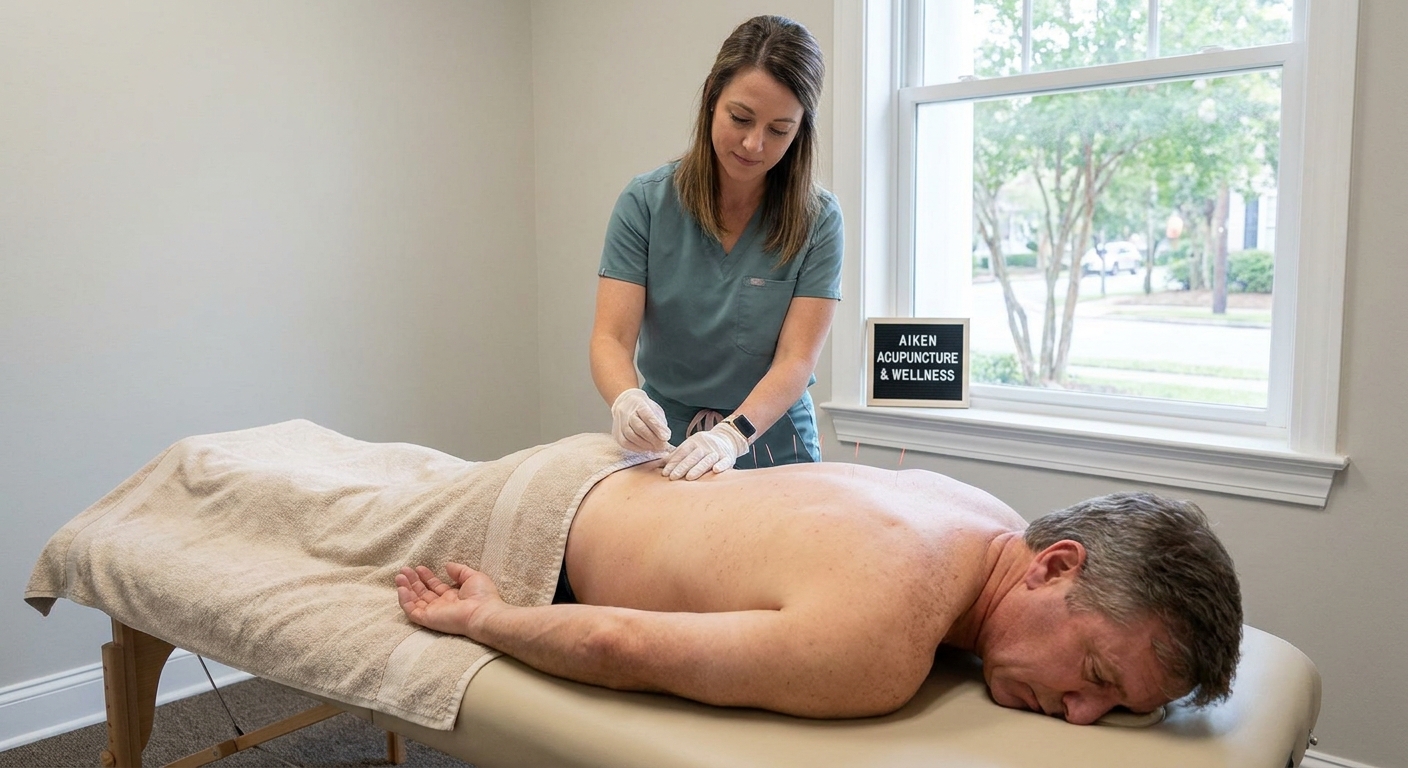
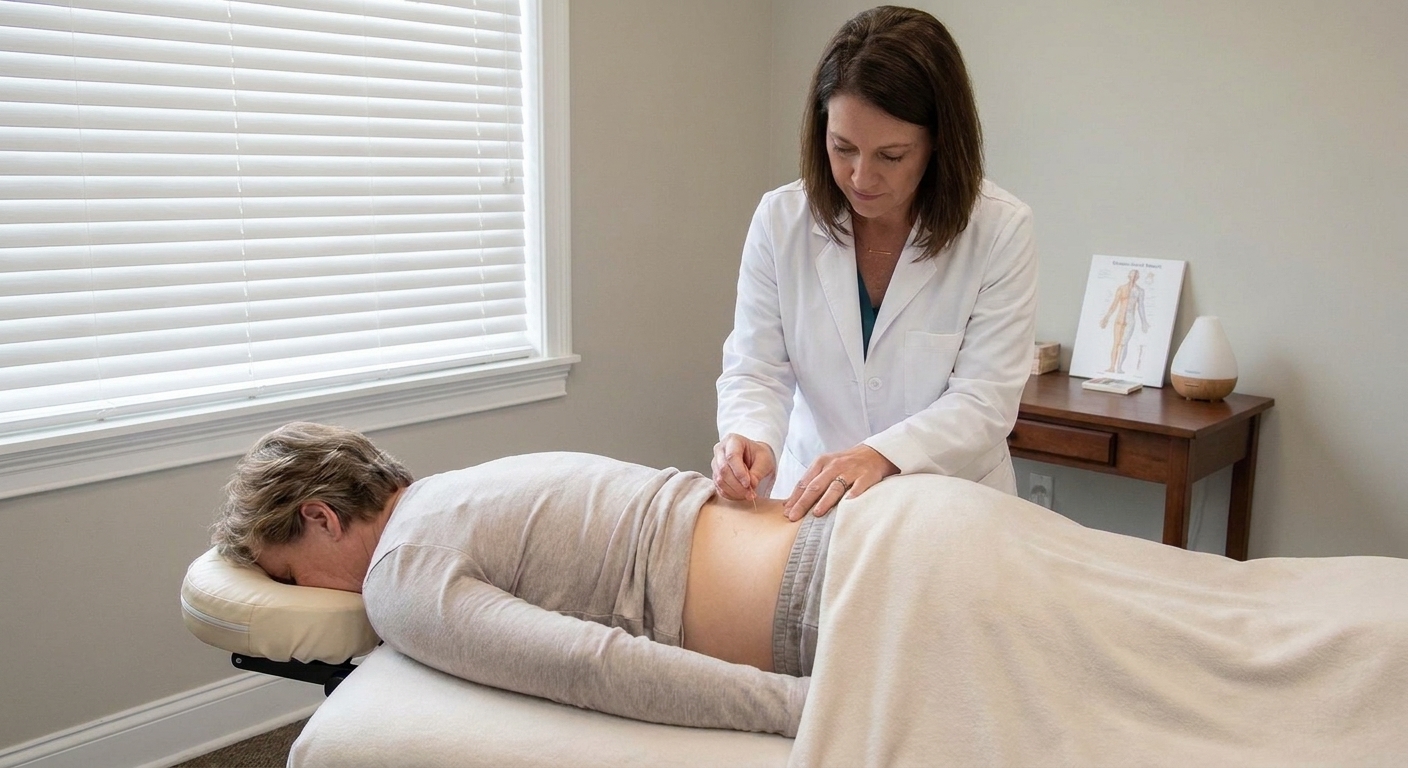
The actual session is straightforward. You'll lie down while sterile, single-use needles are inserted at specific sites. Most people feel minimal discomfort—maybe a slight pinch or tingle. Some feel nothing at all. Sessions typically run 30 to 60 minutes, and many patients find the experience surprisingly relaxing. How many sessions you'll need depends on your pain severity, how long you've been dealing with it, and how your body responds. Some see improvement in three to five visits. Others benefit from ongoing maintenance.
Risks Are Low When Done Right
Acupuncture is safe when performed by a qualified professional. Side effects are rare and usually minor—bruising, soreness, or slight bleeding at needle sites. Serious complications are almost nonexistent if proper hygiene and technique are followed. That said, transparency matters. Let your practitioner know about any health conditions, medications, or concerns upfront. This ensures treatment is tailored to your situation and avoids any interactions or contraindications.
Stacking Strategies for Better Outcomes
Acupuncture doesn't have to stand alone. In fact, it often works best as part of a broader pain management approach. Combining it with physical therapy, regular movement, massage, or other modalities can amplify results and address pain from multiple angles. Some patients use acupuncture to reduce reliance on pain meds. Others add it to their routine after hitting a plateau with exercise or manual therapy.
The point is to build a plan that fits your body and your life. Here's what a well-rounded strategy might include:
- Acupuncture sessions scheduled consistently, not just when pain spikes
- Physical therapy to rebuild strength and correct movement patterns
- Low-impact exercise like walking or swimming to keep the body mobile
- Massage or myofascial release to address muscle tightness and trigger points
- Mind-body practices like yoga or meditation to manage stress and nervous system activation
Documentation Backs Up the Claims
We're not just relying on anecdotal evidence here. Multiple clinical trials and meta-analyses have examined acupuncture's role in treating chronic back pain. Results consistently show it outperforms sham treatments and, in some cases, matches or exceeds standard care options. The American College of Physicians even includes acupuncture in its clinical guidelines for nonpharmacologic treatment of lower back pain.
That doesn't mean it's a guaranteed fix. Pain is complex, and what works for one person may not work for another. But the data is solid enough that insurance companies and medical institutions are starting to take it seriously. If you're weighing your options, know that acupuncture isn't fringe—it's evidence-based.
Common Mistakes People Make
Even when patients commit to acupuncture, they sometimes sabotage their own results. Expectations matter. So does consistency. Here's where we see people go wrong:
- Expecting instant relief after one session when most conditions require a series of treatments
- Skipping follow-up appointments because they feel better, then wondering why pain returns
- Choosing a practitioner based on price alone instead of credentials and experience
- Ignoring lifestyle factors like posture, sleep quality, or stress that contribute to pain
- Not communicating openly with their acupuncturist about what's working and what isn't
When to Bring in Professional Guidance
If your back pain is severe, long-standing, or complicated by other health issues, going it alone isn't smart. A skilled acupuncturist can assess your condition, adjust treatment as needed, and coordinate with your other healthcare providers. This is especially important if you're dealing with nerve involvement, multiple pain sites, or a history of failed treatments.
Professional guidance also helps you avoid wasted time and money. Not every practitioner is created equal, and not every technique fits every patient. Finding someone who listens, adapts, and documents progress makes all the difference between spinning your wheels and actually getting somewhere.
What We Tell People Considering Acupuncture
Chronic back pain doesn't have to dictate your life. But relief rarely comes from a single source, and it almost never happens overnight. Acupuncture offers a proven, low-risk option that works with your body's own systems to reduce pain and restore function. It's not about believing in energy meridians or ancient wisdom—it's about leveraging physiological responses that science is still working to fully understand.
If medication hasn't worked, if physical therapy has plateaued, or if you're just tired of living with constant discomfort, acupuncture in Aiken might be worth exploring. The key is going in with realistic expectations, choosing a qualified practitioner, and staying consistent long enough to see what your body can do when given the right support.
Choosing a Path That Fits Your Pain
We work with business owners and professionals who don't have time to waste on treatments that don't deliver. Chronic back pain slows you down, clouds your focus, and limits what you can build. Acupuncture won't solve everything, but for many, it's a piece of the puzzle that finally clicks into place. The research supports it. The practitioners in Aiken are trained. And the risk is low enough that trying it makes sense—especially when the alternative is doing nothing and hoping the pain magically disappears.
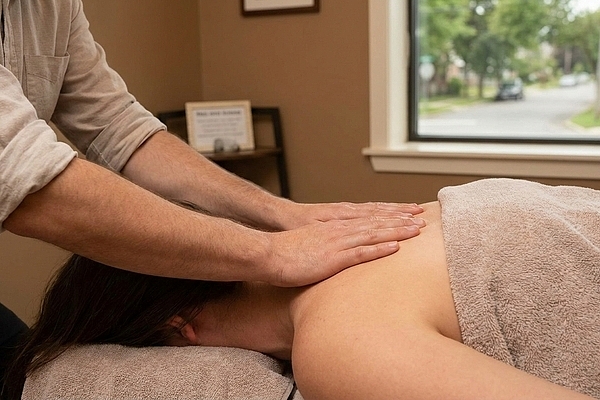
Your body has repair mechanisms built in. Sometimes it just needs the right nudge to activate them. Acupuncture provides that nudge, backed by centuries of practice and decades of modern research. If you're ready to explore options beyond pills and procedures, this might be the move that changes how you feel every single day. Many of our clients have found lasting relief by combining acupuncture with massage therapy in Aiken and other natural remedies for common ailments, creating a comprehensive wellness approach. Whether you're dealing with chronic pain or seeking stress management through spa services, the right combination of natural therapies can make a significant difference in your quality of life.
Let’s Take the Next Step Toward Relief
Chronic back pain doesn’t have to be your new normal. Together, we can explore acupuncture and other natural therapies to help you move, work, and live with less pain. If you’re ready to see what’s possible, give us a call at 803-649-9286 or contact us today to start your journey toward lasting relief.
‹ Back
Recent Posts
-
Can Acupuncture in Aiken Help Relieve Chronic Back Pain?
November 17, 2026
-
Hot Stone Massage in Aiken for Back Tension
November 13, 2026
-
Can Deep Tissue Massage in Aiken Help with Neck & Shoulder Pain?
October 30, 2026
-

Are Natural Pet Supplements in Aiken a Good Choice for Senior Pets?
October 16, 2026
-

Is a Swedish Massage in Aiken a Good Choice After a Busy Week?
October 2, 2026